-
 Kansas City shop Bubble Wrapp offers toys, blind boxes, local art and 'all things wonderfully weird'Bubble Wrapp, which has a new location at 3816 Main St., first launched as an online retailer at the height of the COVID-19 pandemic. It's since found success as a brick-and-mortar shop in midtown Kansas City.
 -
 Those involved in the World Cup's KC2026 effort and economic development leaders say Kansas City can build a brand around its expertise in sports architecture and increasing its profile in sports media, tech, health and youth sports.
 -
 One sports market analyst said he was surprised that the FIFA World Cup, for which Kansas City was a host city in June and July, didn't drive more wagers.
 -
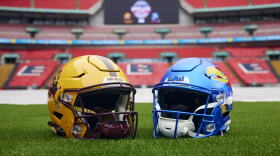 After a successful summer hosting Algeria during the World Cup, KU’s athletics department has been hustling to get ready for the Union Jack Classic. It's the first-ever college football game at the legendary Wembley Stadium, and required shipping equipment and band instruments over on a boat.
 -
 Kansas City's World Cup co-hosting duties didn’t just impact the state on an economic level — local and professional soccer clubs across the state felt the energy from the global tournament, too.
 -
 The total amount wagered in June was $258.3 million, a 0.8% increase from May. Almost all sports bets were made on mobile betting sites, accounting for 99.5% of all money wagered.
 -
 Capitalizing on the World Cup, the Kansas City Indian Center put out even more billboards this year calling on the Kansas City Chiefs to change their name and stop stereotypical practices like the “tomahawk chop.” Activists argue that the move to a new stadium is the perfect opportunity to address the longstanding complaints.
 -
 Organizers of a "Thank You Lawrence" party say they hope for annual celebrations after the city hosted the Algerian men's national soccer team during the FIFA World Cup this summer.
 -
 World Cup fever has reignited former high school athletes' interest in playing soccer themselves.
 -
 The World Cup has come and gone in Kansas City. What could the city's success as a host city mean for future events?
 -
 Kansas City hosted six matches over the course of the tournament, which was largely considered a success. Pam Kramer, CEO of KC2026, says Kansas City grew its reputation during the tournament.
 -
 After opening this spring, the Rock Island Bridge development over the Kansas River welcomed scores of soccer fans for World Cup watch parties. The development is planning to host more festivals, public art, expanded historical programming and new retail opportunities.

© 2026 Kansas City Public Radio
NPR in Kansas City
Play Live Radio
Next Up:
0:00
0:00
Available On Air Stations


