
-
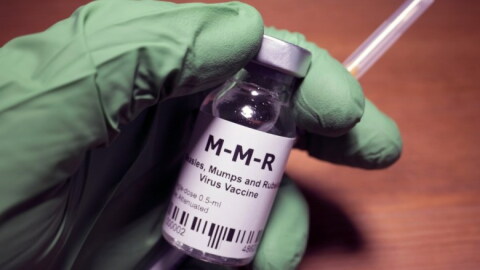 CanvaThese are the first measles cases reported in Kansas since an outbreak of 91 cases in 2025. The individuals were exposed to measles while traveling within the United States, outside of Kansas.
 -
 Rebecca Rivas/Missouri IndependentJuicy J’s cherry limeade infused pre-rolls failed testing for Aspergillus, a mold that can pose health risks at high levels or for people with weakened immune systems.


-
 "Free birth," when a person gives birth without the help of a medical professional, has been popularized in recent years by influencers. Experts say it’s dangerous, but people who choose to give birth unassisted say the practice is often not as extreme as it seems — or is misunderstood.
 -
 The company Proper Brands operates a large plant in Rock Hill, Missouri, for growing marijuana and manufacturing cannabis products. Plaintiffs call the odors coming out of the plant "noxious."
 -
 Medical loan closets are growing across Kansas, lending out donated equipment including power chairs, crutches, CPAP machines and more for little or no cost.
 -
 The end of enhanced subsidies for Affordable Care Act plans is adding to the tally of uninsured patients. New Medicaid requirements coming in January could be a multiplier.
 -
 Religious exemptions, in which a parent or guardian declines to vaccinate their child with some or all required immunizations because of sincerely held religious beliefs, have more than doubled statewide in the past five years.
 -
 A collaboration of state and local organizations came together for the Rest Easy Naloxone Project.
 -
 The shape of a toilet seat, combined with increased time in the bathroom, can cause undue strain on one's nether regions, according to a colorectal surgeon at the University of Missouri.
 -
 Missouri SNAP applicants will face new documentation requirements in October for housing, child care and financial resources. Some advocates warn the extra hurdles may cost some eligible recipients their benefits.
 -
 The statewide television and radio spot was developed with help from an anti-abortion medical group and will air through Sept. 30. It references a recent judge's ruling that struck down dozens of challenged abortion regulations as unconstitutional.
 -
 An NPR investigation found that people in the U.S. are dying from heat much more often than official counts show. We explore the reasons why — and how lives can be saved.
 -
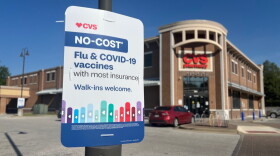 COVID case numbers are slowly climbing but trending below past years, when cases surged as kids returned to their usual school activities. Still, health experts warn that doesn’t mean Kansas City is in the clear.
 -
 The Liberty High School alumnus died during a game between William Jewell College and Fort Lewis College Saturday afternoon.


