


Kansas City is hosting six matches for the 2026 FIFA World Cup. Whether you’re a local, or among the hundreds of thousands of expected visitors, KCUR put together a guide to the games, how to get tickets and what's happening in town.
Leading into the 2026 World Cup, KCUR's podcast A People's History of Kansas City is exploring how we became a soccer city. This project is in collaboration with the Great Game Lab at Arizona State University, which explores how sport connects us to the rest of the world, and the Us@250 Initiative at New America.
See our exhibition "A People’s History of Kansas City Soccer!" at the Kansas City Public Library — Central Branch, on display now through September.
A People's History of Kansas City: How we became a soccer city


-
 The World Cup gave Kansas City a deadline to make changes, an opportunity to experiment and a reason to invest. Now the city has to show which of those efforts will benefit residents beyond the tournament.
-
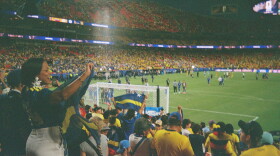 VisitKC released a report on the impact of the World Cup, which brought about 680,000 visitors. But with fewer long-term and international guests than expected, it didn’t bring in as much money as the agency originally estimated.
-
 Kansas City's World Cup co-hosting duties didn’t just impact the state on an economic level — local and professional soccer clubs across the state felt the energy from the global tournament, too.
-
 Organizers of a "Thank You Lawrence" party say they hope for annual celebrations after the city hosted the Algerian men's national soccer team during the FIFA World Cup this summer.
-
 World Cup fever has reignited former high school athletes' interest in playing soccer themselves.
-
 More people signed on to run Airbnbs, VRBOs and other short-term home rentals in anticipation of an influx of visitors. With more places in the market, occupancy rates actually went down — but prices went up.


